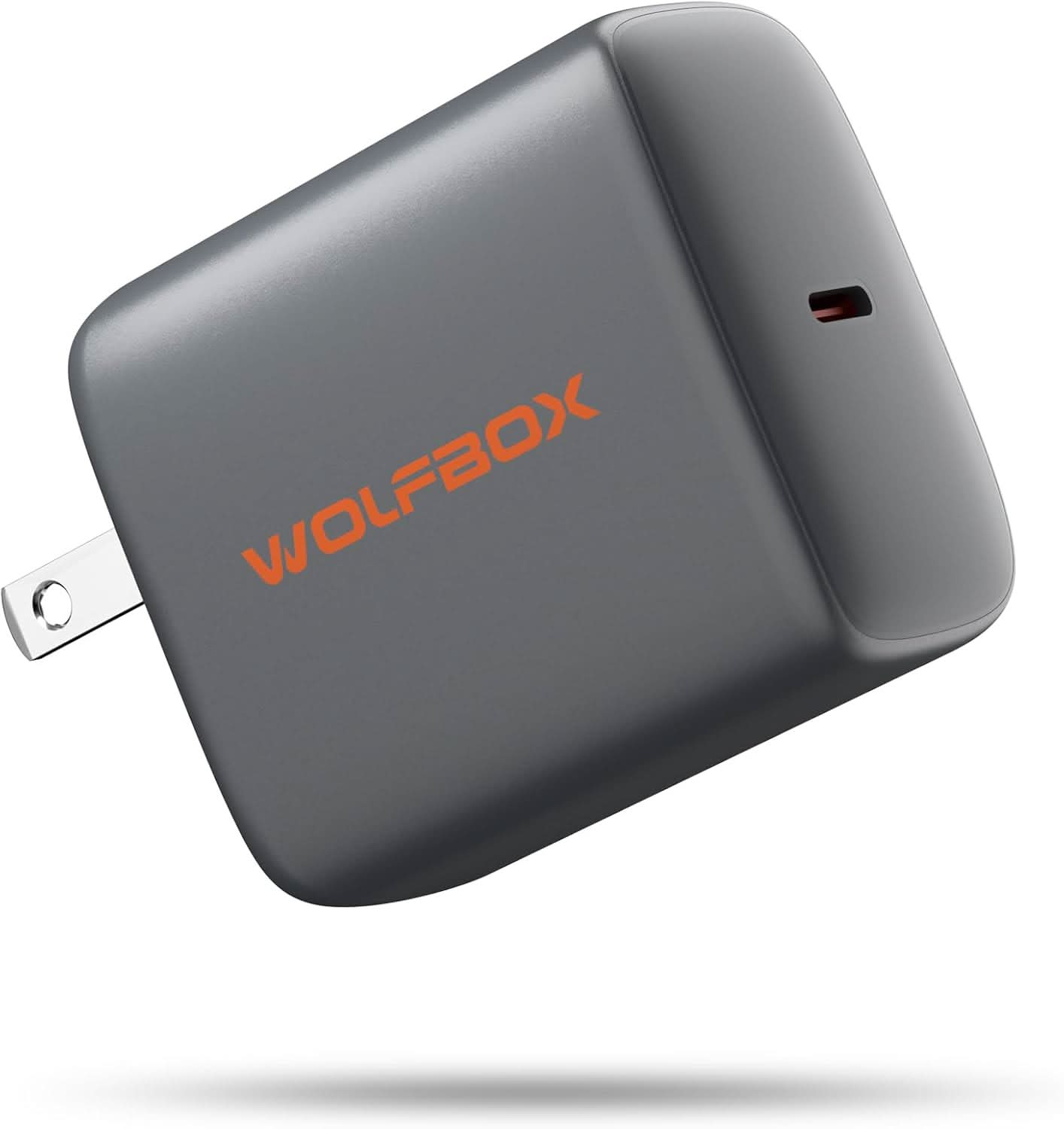
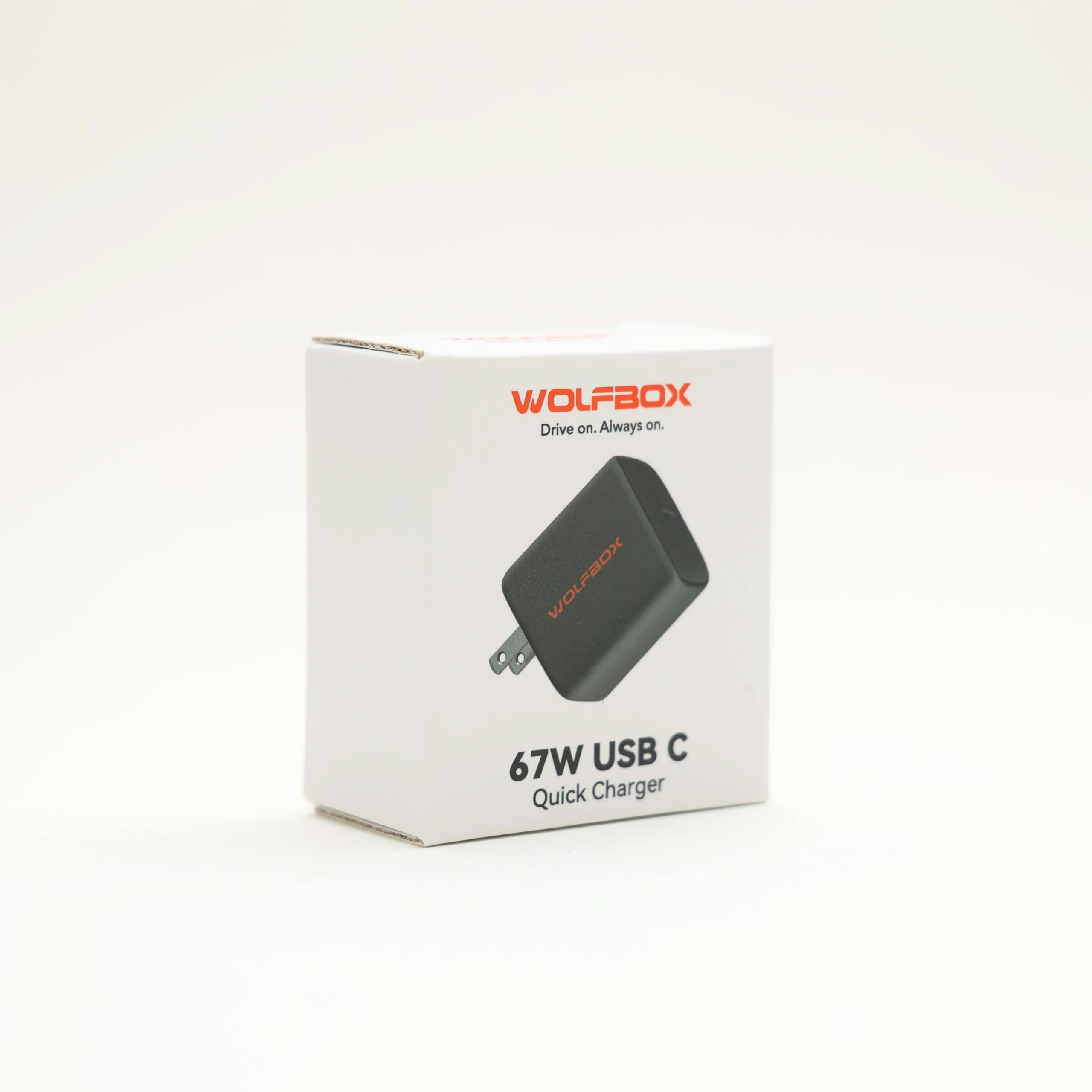

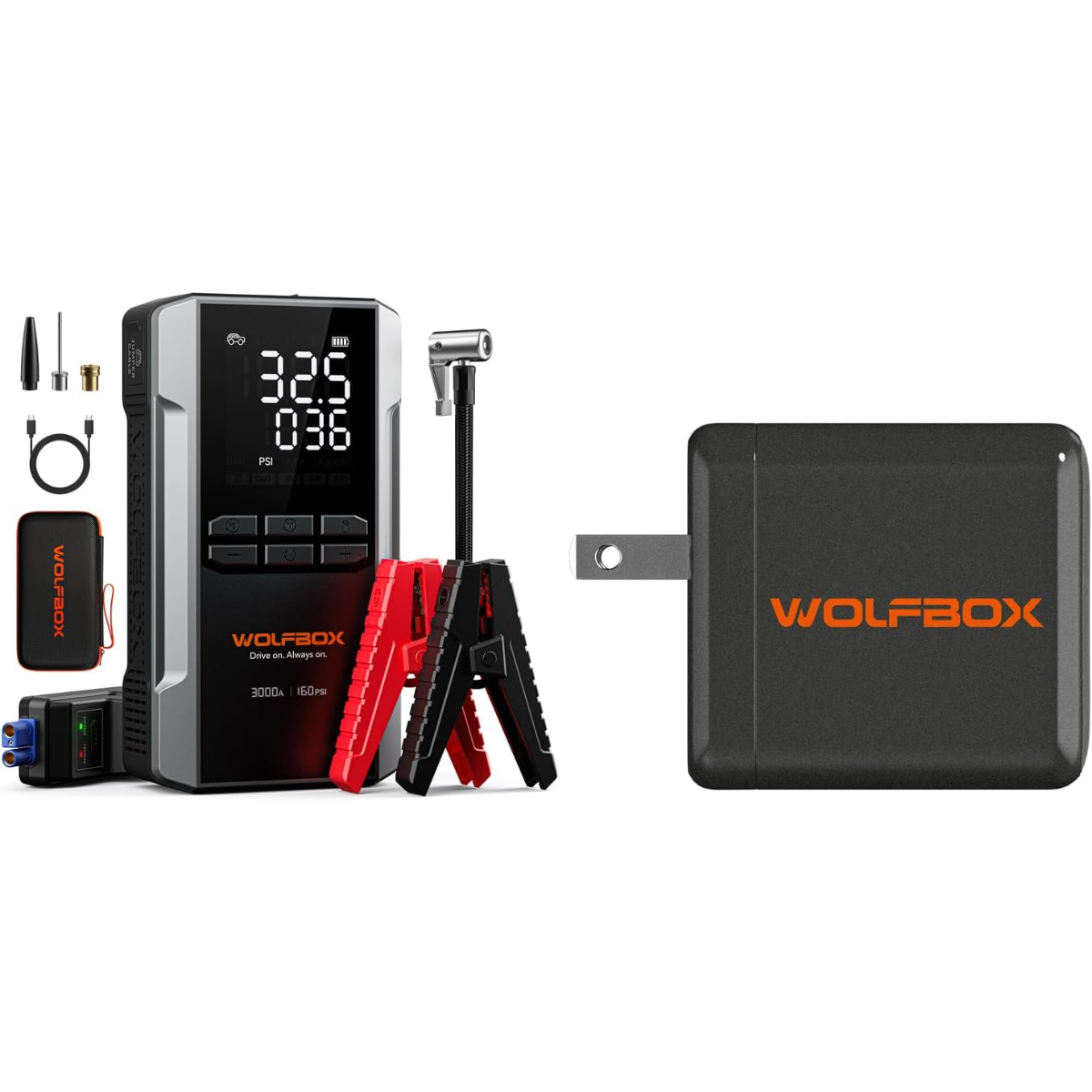
Description
A 65W dual USB-C car charger is worth it if you want to charge a laptop, tablet, and phone from the cigarette lighter — but only if it’s PD 3.1 with PPS and a genuine 65W output, not a “65W total” label that splits into 30W + 30W. Most listings blur this. The honest spec is whether each USB-C port can hit 65W alone, and whether it holds the voltage your device asks for.
Here’s the honest version: the cigarette lighter in most cars supplies around 100W, so a 65W charger is right at the edge of what the socket can feed — which means the chip quality and thermal design matter more than the number on the box. A cheap charger that can’t handle sustained load will heat up, drop to 5W, or shut down entirely mid-charge on a long drive.
This guide breaks down the specs that actually matter, what the 12V socket can and can’t do, and the three reasons these get returned.
The 30-Second Answer: PD 3.1, PPS, 65W per Port, and a Real 12V-24V Input
Pick a 65W charger with PD 3.1 (or at least PD 3.0) + PPS, a port that delivers the full 65W on its own, and an input range of 12V-24V so it works in cars and trucks. That combination charges a laptop at full speed, a phone at peak fast-charge, and two devices at once without dropping everything to 5W.
Here’s the priority order, from “must have” to “nice to have”:
- PD 3.0/3.1 with PPS. PPS (Programmable Power Supply) is what lets modern Samsung and Pixel phones negotiate exact voltages for their fastest charging. Without PPS, a 65W charger still charges a laptop fine but may top out at 15W on a Samsung.
- 65W per port, not 65W total. A “65W dual charger” can mean two ports that split 65W (30W + 35W). The honest version is one port that delivers the full 65W on its own. Check the port-by-port output table.
- 12V-24V input. 12V covers most cars; 24V covers trucks, RVs, and commercial vehicles. A 12V-only charger can brown out in a 24V system.
- A 20V/3.25A profile. That’s the 65W output for laptops (MacBook Air, most ultrabooks). If the spec only lists 5V/3A and 9V/3A, it’s not really 65W to a laptop.
- Thermal protection. Look for overcurrent, overvoltage, and overheat shutdown. Cheap chargers skip this and fail on hot days or under a long load.
That’s the whole core. Here’s what the port table should actually look like:
| Port | Output profile | What it charges |
|---|---|---|
| USB-C 1 (65W) | 5V/3A, 9V/3A, 12V/3A, 15V/3A, 20V/3.25A | Laptop, tablet, phone — full speed alone |
| USB-C 2 (30W) | 5V/3A, 9V/3A, 12V/2.5A, 20V/1.5A | Phone, tablet, power bank |
| Both ports | 30W + 30W split, or 45W + 20W | Two devices at once, slower each |
Compatibility: What Your Car’s Socket Can Actually Feed
Compatibility is about power delivery, not vehicle model — a 12V/24V socket is a 12V/24V socket, so this works in virtually every car, truck, SUV, or van. But there’s a real limit to know:
| Situation | What happens |
|---|---|
| Single 65W device (laptop) | ✅ Fine — socket feeds ~100W, charger needs 65W |
| Two devices, both USB-C | ✅ Fine — split to 30W+30W, both charge slower |
| 65W laptop + 30W phone + 20W dashcam on the same socket | ⚠️ Overload risk — total exceeds what the socket feeds; the charger protects itself and may drop output |
| Older car, weak alternator, A/C on full | ⚠️ Voltage sags; charger may brown out |
Two compatibility notes:
- Check your car’s accessory socket rating. Most are rated ~10A (120W at 12V), but some older cars or shared circuits are less. If you plug a 65W laptop charger plus other devices into the same socket, you can exceed it and blow the fuse.
- Fuse size matters. If your car blows the accessory fuse when you plug this in at full load, you’re likely drawing more than the circuit is rated for — reduce the load or use a higher-rated fuse socket (if the vehicle allows).
Installation: It’s Not an Install, It’s a Plug
Install difficulty: 🟢 Plug & Play — push it into the cigarette lighter and it works. No tools, no wiring. That’s the whole point of a car charger.
Here’s the honest “installation”:
- Push the charger into the 12V accessory socket until it seats firmly.
- Plug your device’s USB-C cable into the port you need.
- Confirm the indicator light (if present) shows the socket is powered.
The three reasons these get returned:
- It’s not really 65W. The listing said “65W” but the port-by-port table shows it splits to 30W+30W or the second port is 5V/1A. Check the output table before buying.
- It shuts down on a long drive. Cheap chargers overheat under sustained load and thermal-shutdown. A charger with proper thermal design keeps charging on a 4-hour road trip.
- It blows the accessory fuse. Pulling more than the socket circuit is rated for pops the fuse. Reduce the load — don’t charge a laptop and a high-draw dashcam off the same socket simultaneously.
🟢 The one check that prevents the fuse issue: count the total watts you’re drawing from one socket. If it’s near 100W, use a second socket or a splitter with its own fuse. Your charger can only protect itself, not the circuit.
The Honest Comparison: What Your Money Buys
Across the $15-70 market, you’re paying for chip quality, thermal design, and honest power delivery — not the “65W” label.
| Price tier | What you get | What you give up |
|---|---|---|
| Under $15 | “65W total”, plastic shell, basic QC | Real PD/PPS, thermal protection, build quality |
| $15-30 (this charger) | PD 3.1 + PPS, 65W per port, 12-24V, metal shell | Premium brand polish, multi-socket hubs |
| $30-70 | Brand names, digital displays, retractable cables | Diminishing returns on charging speed |
The $15-30 bracket is the sweet spot. Above it, the charging electronics are the same — you’re paying for a display and a logo. Below it, the “65W” is usually marketing.
Best For / Skip If
Best for: anyone who charges a laptop, tablet, and phone in the car, road-trippers, truck drivers (24V input), and people with fast-charging Samsung or Pixel phones that need PPS.
Skip if: you only charge a single phone (a 30W charger is cheaper and smaller), your car’s accessory socket is already heavily loaded, or you need to charge multiple high-draw devices from one socket simultaneously.
Frequently Asked Questions
Q1: Will a 65W car charger really charge my laptop?
A: Yes, if the port delivers a 20V/3.25A profile (that’s the 65W output) and your laptop supports USB-C PD. Most modern ultrabooks and MacBooks do. The charger draws ~65W from the socket, which most cars feed fine. If your socket is on a shared circuit, watch the fuse.
Q2: Can I charge two phones at once?
A: Yes. A dual USB-C charger splits to roughly 30W+30W when both ports are used, which still fast-charges two phones. It only drops to slow charging if one port needs the full 65W and the other is a heavy draw at the same time.
Q3: What’s the difference between PD and PPS?
A: PD (Power Delivery) is the base fast-charge standard — it negotiates voltage steps (5V, 9V, 12V, 20V). PPS (Programmable Power Supply) is the finer version that adjusts voltage continuously, which is what Samsung Super Fast Charging 2.0 and Pixel fast charging need. A charger with PPS charges those phones at their peak speed; PD-only caps them lower.
Q4: Why did my charger stop working mid-drive?
A: Usually thermal shutdown — a cheap charger under sustained 65W load heats up and trips its protection. It should recover when it cools. A charger with proper thermal design (metal shell, better chips) handles sustained load without shutting down. If it blows the car fuse instead, you’re overloading the socket circuit.
Q5: Is it safe to charge a laptop in the car?
A: Yes, with two caveats. First, make sure your car’s accessory socket circuit is rated for ~100W (most are ~10A). Second, don’t charge a laptop and other high-draw devices off the same socket at once — you can pop the fuse. Use a second socket or a fused splitter for heavy loads.
Q6: Will this work in a truck or RV (24V system)?
A: Yes, if the charger’s input range covers 12V-24V. That’s the spec to look for. A 12V-only charger can brown out or shut down in a 24V vehicle. This one accepts 12V-24V, so it covers cars, trucks, and most RVs and commercial vehicles.
Q7: My car’s accessory socket is always on — will this drain the battery?
A: A charger sitting in an always-on socket draws a tiny idle current (under 1W) with nothing plugged in — negligible over a weekend. If you’re worried, unplug it or use a charger with a power switch. The real battery risk is from devices left plugged in drawing power, not the charger itself.
Q8: How is 65W different from a standard 5W or 10W charger?
A: A 5W charger delivers 5V/1A — a phone charges overnight. A 65W charger negotiates 20V/3.25A, which charges a laptop at full speed and a phone in about 30 minutes. The catch is your device has to support PD to use the higher wattage; otherwise it pulls what it can.
Reviews
There are no reviews yet.